
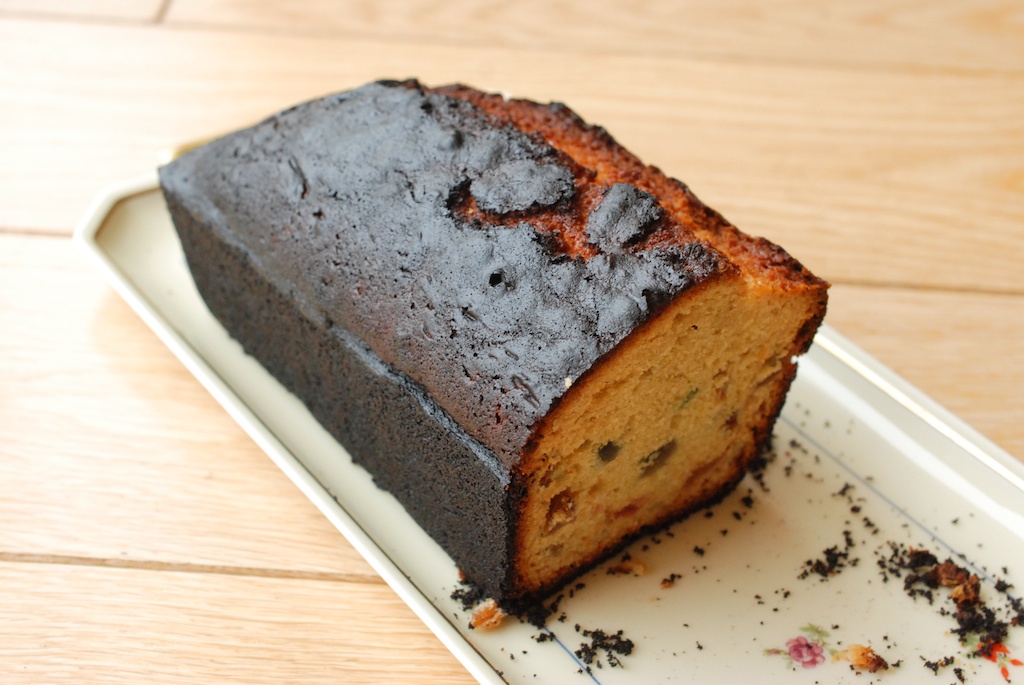
 Many ovens have a traditional style thermostat which helps to control the internal temperature of the oven. But if that oven is overheating on the outside and your food is becoming burnt, this could potentially be the work of a faulty thermostat!
But like all appliances, ovens are comprised of countless parts — many of which could be at the root of an overheating issue. Here are just a few reasons why you may be having this type of issue according to Sure Wise.
And remember, it always safer, more efficient and more precise to have a professional appliance repairman diagnose your appliance issues for you.
- Thermostat knob: A faulty or poorly secured knob can result in an inaccurate temperature setting in the oven.
- Thermostat-sensing bulb: If the bulb is loose or damaged, the thermostat can overheat the oven.
- Grime: Occasionally your thermostat can malfunction because it is covered with grime.
- Oven-vent: A vent blockage can also cause your oven to overheat.
- Control panel: A power outage can make your oven’s control panel and electrical components malfunction.
- Thermostat: If the oven temperature is higher than the setting then the thermostat may require replacement.
- Heating elements: The oven can also overheat if there is a malfunction with its heating element, though damage may not be easily visible.
- Temperature sensor: Electrical ovens have a temperature sensor, but a sensor issue can cause the oven to overheat.
- Selector switch: The selector switch acts as a communication device between the thermostat and the heating elements. If shorted out, it may read a lower temperature, causing the heating elements to overheat.
- Oven fan: A broken or laggy oven fan may cause the oven to overheat.