
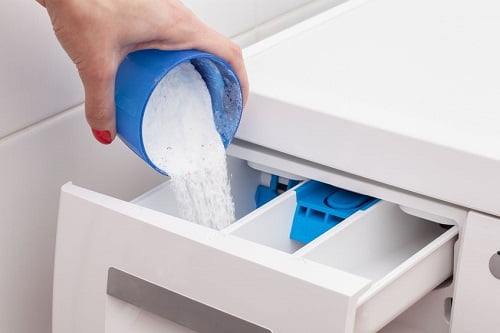
Tossing clothes into the washer, adding detergent, and pressing start seems straightforward enough. But a few overlooked habits can fade fabrics, shorten the life of your machines, and leave clothes dirtier than expected. Homeowners across Monmouth County, Ocean County, and the rest of Central New Jersey tend to make the same handful of errors on laundry day.

Here are five common mistakes and how they can be corrected with simple changes.
1. Drying Dark Clothes on High Heat
Dark clothing is often washed in cold water and turned inside out. That part is done right by most people. The real damage, though, is done in the dryer. High heat causes dark dyes to break down and fade much faster than expected.
Air-drying is the better option for dark garments. A drying rack or clothesline keeps colors looking sharp for far longer. If the dryer must be used, a low-heat or tumble-dry setting is recommended. For households in Freehold, Long Branch, or Toms River where dryers are running daily, this one change can make a noticeable difference in how long clothes hold their color.
If your dryer is running hotter than it should, that could be a mechanical issue worth checking. Immediate Appliance offers dryer repair across all five Central New Jersey service counties.
2. Machine-Washing Swimwear
Swimsuits are often tossed into a mesh bag and run through a gentle cycle with cold water. That approach sounds careful, but it actually breaks down the elastic fibers in swimwear over time. The material loses its stretch and shape after repeated machine washing.
A Better Approach
A cold water rinse by hand right after swimming is all that is needed. For chlorine or saltwater odor, a teaspoon of white distilled vinegar can be mixed into the rinse water. The suit should then be laid flat to dry. This method keeps the fabric intact far longer than any machine cycle will.
3. Using Fabric Softener on Towels
A warm, fluffy towel sounds ideal. Fabric softener and dryer sheets are often added to achieve that feel. The problem is that these products coat towel fibers with a waxy residue. Over time, towels become less absorbent and less effective at drying.
Towels should be washed on the longest, hottest cycle available. They should also be removed from the washer promptly after the cycle ends. Leaving damp towels sitting in the drum encourages mold growth and musty odors. Families in Marlboro, Manalapan, and Brick who go through towels quickly will notice better results by skipping the softener altogether.
If your washer is not draining properly or leaving towels soaking wet after a spin cycle, that points to a repair issue rather than a laundry habit.
4. Washing Comforters Without a Second Rinse
Thick blankets and comforters absorb a large amount of water and detergent during a wash. A single rinse cycle is rarely enough to flush out all the soap. The result is stiff, soapy fabric that dries unevenly and clumps together.
A second rinse and spin cycle should be added for bulky items. This removes leftover detergent and pulls out excess water before the load goes into the dryer. For oversized comforters, a trip to a local laundromat with a heavy-capacity machine may be the better call.
Watch Your Dryer Vent
Drying thick, heavy items puts extra strain on your dryer vent system. Lint buildup from blankets and comforters is a leading contributor to clogged vents. A blocked vent reduces dryer efficiency and creates a fire hazard. Our post on dryer vent maintenance tips covers the basics every homeowner should follow.
5. Using Too Much Detergent
More soap does not mean cleaner clothes. Excess detergent creates an overload of suds that actually lifts dirt above the fabric rather than washing it away. The result is clothes that come out of the machine with residue still trapped in the fibers.
Only about one-third to one-half of the detergent cap is needed for a standard load. The measuring lines on the cap are designed to sell more product, not to improve your wash. Cutting back on detergent also reduces buildup inside the washer drum and drain lines, which means fewer clogs and less wear on internal parts.
When Your Washer or Dryer Needs Attention
Good laundry habits go a long way, but they can only do so much if the machines themselves are not working right. A washer that vibrates excessively, leaks, or leaves soap on clothes after a full cycle may need professional service. A dryer that takes two or three rounds to dry a single load could have a vent issue or a worn heating element.
Immediate Appliance has been repairing washers and dryers across Monmouth, Ocean, Middlesex, Mercer, and Somerset Counties for over 35 years. Same-day and emergency service is available every day of the year. Our preventive maintenance plans are also designed to keep laundry appliances running efficiently and catch small problems before they turn into costly repairs.