

A dishwasher is relied on daily in most New Jersey kitchens. Yet a surprising number of households across Monmouth County, Ocean County, and the surrounding area are not getting the full cleaning power from their machines. Small habits and overlooked details can be the difference between spotless dishes and a frustrating re-wash.
These five tips are used by our technicians at Immediate Appliance to help Central New Jersey homeowners get better results from every cycle.
1. Scrape and Rinse Before You Load
Food particles left on plates tend to recirculate inside the machine during a wash. That residue is then redeposited onto other items, and it also collects in filters and drains over time. A quick rinse under cold water before loading is recommended.
Burnt or caked-on food should be scraped off entirely. Your dishwasher is not designed to handle hardened debris, and forcing it to do so puts extra strain on internal components. For a deeper look at why this step matters, check out our post on why you should rinse dishes before loading them.
2. Load Strategically From the Bottom Up
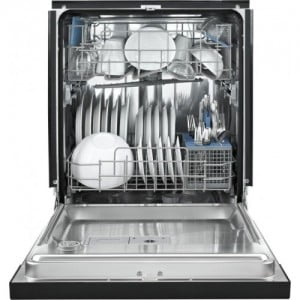
The bottom rack should always be loaded first. Taller items like pots, cutting boards, and baking sheets are best placed along the sides and back. When large items are positioned in the center, the spray arms are blocked and water flow is reduced to the rest of the load.
Where Glasses and Plastics Belong
Glassware and plastic containers should be placed on the top rack. This keeps them farther from the heating element, which helps prevent warping and cracking. Cups and bowls should be angled downward so water drains off during the cycle instead of pooling inside.
3. Choose the Right Detergent and Use the Right Amount
Not all detergents are created equal, and the wrong choice can leave residue, streaks, or spots on your dishes. The detergent recommended by your machine’s manufacturer is typically the safest bet.
Overuse is a common mistake. Too much soap can result in a filmy coating on glassware and plates. The amount suggested on the detergent label should be followed closely. For heavy loads or hard water areas like parts of Brick, Toms River, and Freehold, a splash of white distilled vinegar can be added to the rinse aid compartment. It cuts through buildup and leaves glass looking clear.
If dishes are coming out with a strange smell after a full cycle, the issue may go beyond detergent. Our post on why dishes sometimes smell after washing covers the most common causes and fixes.
4. Match the Cycle Setting to the Load
A heavy wash setting is intended for pots caked with grease or baking dishes with stuck-on food. That same setting should not be used for a rack of coffee mugs and water glasses. Energy and water are wasted when a powerful cycle is selected for a light load.
Quick Rinse and Eco Modes
Many newer models include eco or quick rinse options. These are designed for lightly soiled items and can cut both time and utility costs. Homeowners in Marlboro, Manalapan, and Asbury Park who run their machines daily may notice real savings by selecting the appropriate cycle each time.
5. Only Run a Full Load
A dishwasher operates most efficiently when it is full. Running half-empty cycles wastes water, electricity, and detergent. Items should be arranged so that nothing is overlapping or nested together, but the racks should be filled before the cycle is started.
This habit alone can reduce the number of cycles run each week, which puts less wear on internal parts like the pump, motor, and spray arms. Over time, that translates to fewer repairs and a longer lifespan for the appliance. If your unit is showing signs of age or repeated issues, it may be worth having a technician take a look.
When Your Dishwasher Needs More Than a Tip
Sometimes the problem goes beyond loading technique or detergent. Dishes that come out dirty, cycles that stop mid-run, or water that pools at the bottom can all point to a mechanical issue. These are signs that professional dishwasher repair is needed.
Immediate Appliance has been serving homeowners across Monmouth, Ocean, Middlesex, Mercer, and Somerset Counties for over 35 years. Same-day and emergency service is available 365 days a year. Our licensed technicians diagnose the problem and handle the repair on the spot in most cases.
Not sure if you need a repair technician or a plumber? We can help with that, too.